Exploding television recovered from sea
- Safety Flash
- Published on 17 December 2019
- Generated on 27 October 2026
- IMCA SF 30/19
- 1 minute read
One morning the crew of a workboat noticed an old television set floating in the sea near their work area.
What happened?
The crew decided to take the set on-board in order to prevent it from potentially causing damage to a passing yacht or fishing boat.
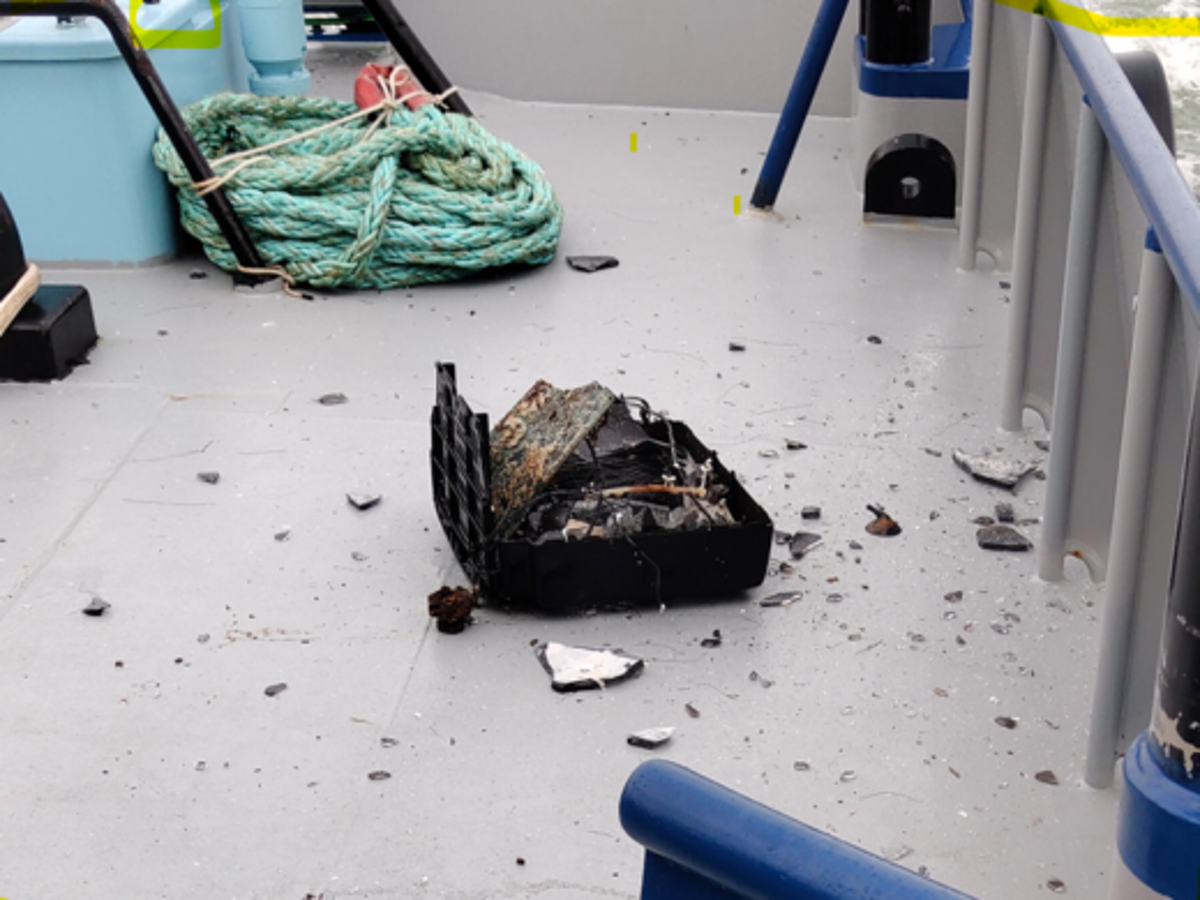
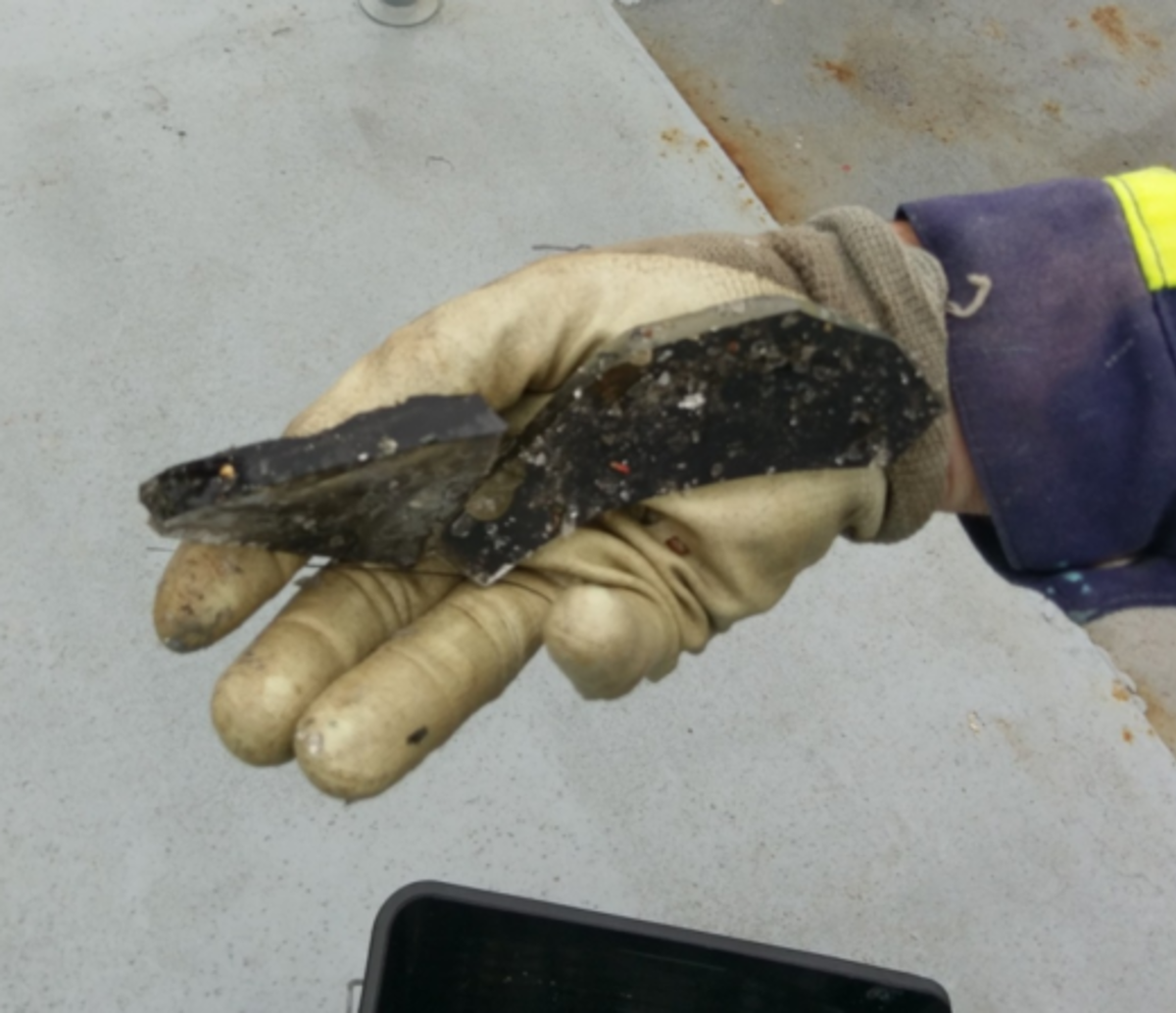
Just before the crew members were going to land the television set, it exploded violently, destroying its case and sending shards of glass all over the aft deck. The crew members were fortunate indeed; had their timing been different, the TV set could have exploded in their hands on deck.
Fortunately, in this incident, both crew members were still in the wheelhouse and fully protected. The television set was covered in weeds and shells, indicating that it had been in the water for some time.
What actions were taken?
Ensure that you are wearing appropriate personal protective equipment (PPE) and treat objects recovered from the sea with extreme caution.
Featured Safety Flashes
-
IMCA SF 17/18
3 August 2018
-
-
IMCA SF 03/05
1 March 2005

IMCA Safety Flashes summarise key safety matters and incidents, allowing lessons to be more easily learnt for the benefit of the entire offshore industry.
The effectiveness of the IMCA Safety Flash system depends on the industry sharing information and so avoiding repeat incidents. Incidents are classified according to IOGP's Life Saving Rules.
All information is anonymised or sanitised, as appropriate, and warnings for graphic content included where possible.
IMCA makes every effort to ensure both the accuracy and reliability of the information shared, but is not be liable for any guidance and/or recommendation and/or statement herein contained.
The information contained in this document does not fulfil or replace any individual's or Member's legal, regulatory or other duties or obligations in respect of their operations. Individuals and Members remain solely responsible for the safe, lawful and proper conduct of their operations.
Share your safety incidents with IMCA online. Sign-up to receive Safety Flashes straight to your email.