Sharp wire: injury during routine maintenance
- Safety Flash
- Published on 18 December 2018
- Generated on 23 October 2026
- IMCA SF 28/18
- 1 minute read
Whilst conducting routine engine maintenance a seafarer caught his arm on a sharp piece of wire, causing the need for medical treatment.
What happened?
The seafarer was using a spanner to tighten bolts connected to the main engine exhaust system where a piece of sharp reinforcing wire was protruding from some nearby flexible hose. The spanner slipped, causing the seafarers arm to forcefully come into contact with the wire resulting in a cut requiring medical treatment.
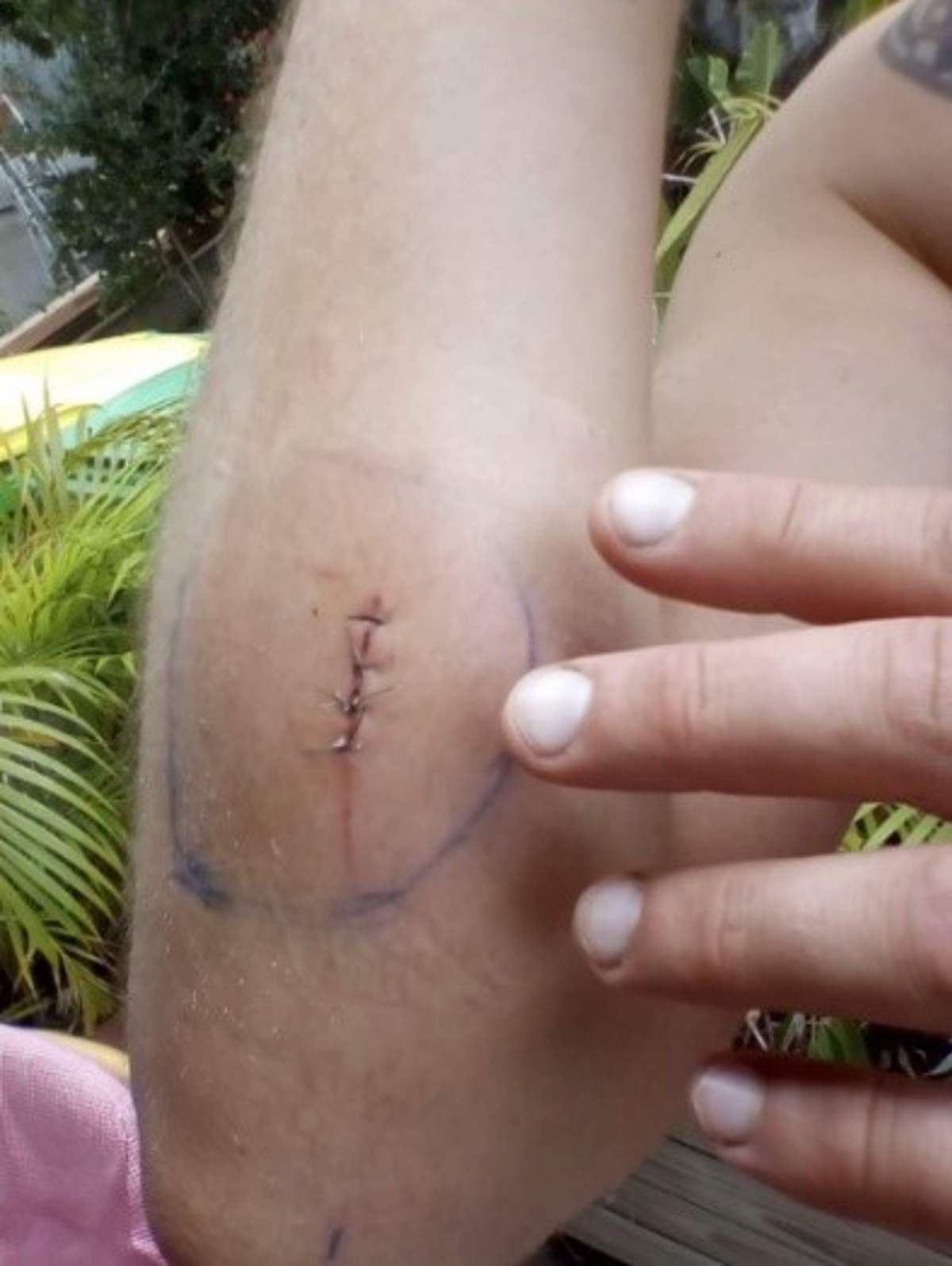
The seafarer visited a shore-side hospital for medical treatment. After receiving stitches, he was able to return to work.
What was the cause?
The sharp reinforcing wire was sticking out and should not have been.
What lessons were learned?
Before conducting the routine maintenance, a simple check would have highlighted the sharp wire. The seafarer could then have either removed the wire or, if not possible, bent it back or covered it so as not to cause any harm.
This highlights the need for thorough pre-maintenance checks to prevent or control the potential for unnecessary maintenance related injury.
Related Safety Flashes
-
IMCA SF 13/18
22 June 2018
-
-
IMCA SF 07/12
10 July 2012
IMCA Safety Flashes summarise key safety matters and incidents, allowing lessons to be more easily learnt for the benefit of the entire offshore industry.
The effectiveness of the IMCA Safety Flash system depends on the industry sharing information and so avoiding repeat incidents. Incidents are classified according to IOGP's Life Saving Rules.
All information is anonymised or sanitised, as appropriate, and warnings for graphic content included where possible.
IMCA makes every effort to ensure both the accuracy and reliability of the information shared, but is not be liable for any guidance and/or recommendation and/or statement herein contained.
The information contained in this document does not fulfil or replace any individual's or Member's legal, regulatory or other duties or obligations in respect of their operations. Individuals and Members remain solely responsible for the safe, lawful and proper conduct of their operations.
Share your safety incidents with IMCA online. Sign-up to receive Safety Flashes straight to your email.