USCG: two alerts relating to gas releases
- Safety Flash
- Published on 20 July 2018
- Generated on 23 October 2026
- IMCA SF 15/18
- 3 minute read
The United States Coast Guard (USCG) has published two recent Safety Alerts relating to unplanned releases of different and unrelated gases.
What happened?
- 07/18 entitled Ethylene vapors activate Carbon Monoxide alarm. Take action, retreat, and avoid harm! and
- 10/#18 entitled We’ve all experienced bad gas, but how about IFO 380? S. Gulf Coast Bunker Contamination
USCG Safety Alert 07/18
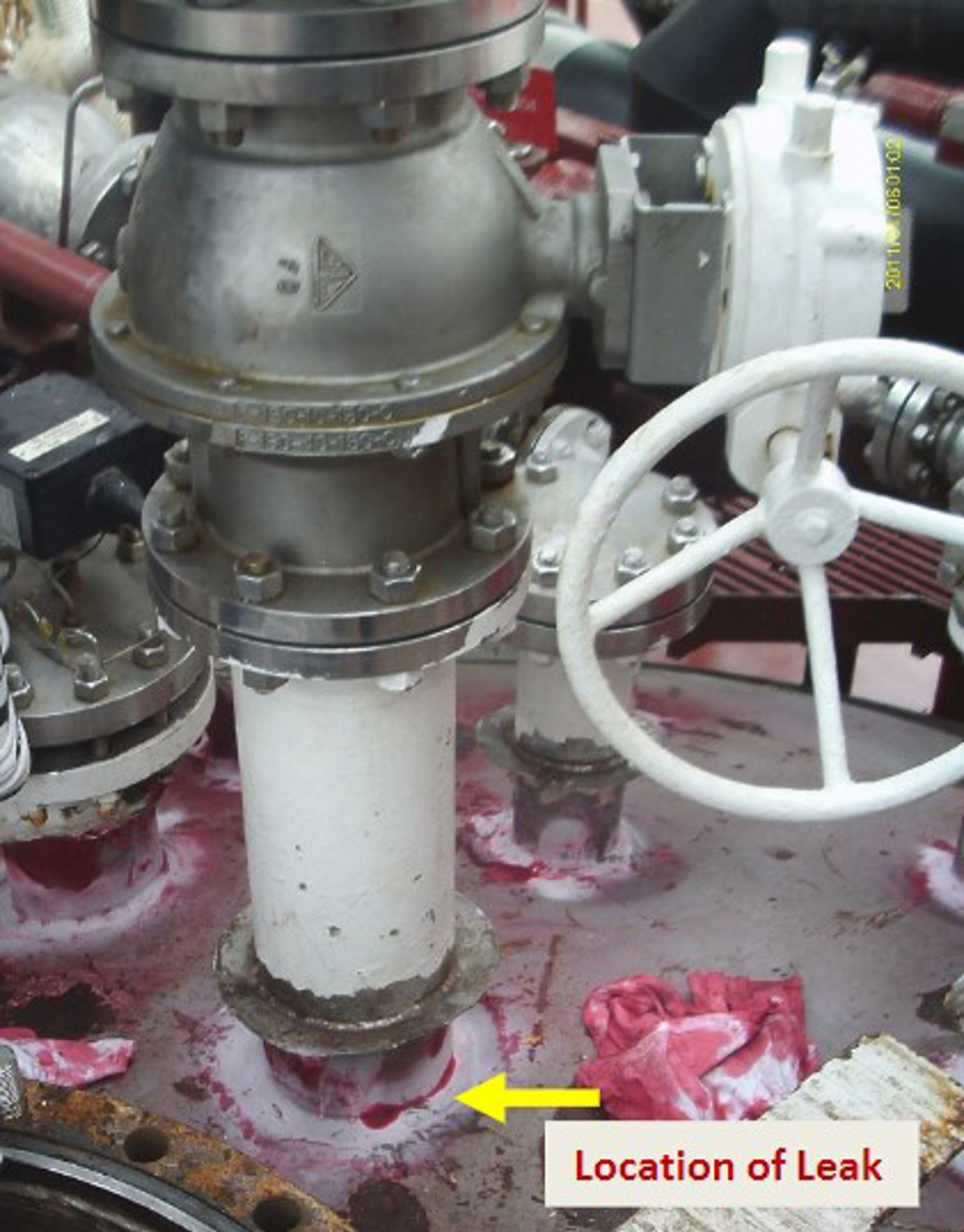
During an examination of a liquefied natural gas (LNG) carrier whose cargo tanks contained ethylene vapors, CO (Carbon Monoxide) gas alarms were received which were traced to an eight-inch crack on a cargo vapor line.
It was noted that the molecular weight of Ethylene (28 g/mol) was identical to the molecular weight of CO, which accounted for the CO PPM readings. Coast Guard personnel contacted the manufacturer who confirmed that gases such as methane, propane, ethylene and mercaptan, could actuate the CO sensor without ever coming into the range of the LEL limits.
As a result of these events the Coast Guard “strongly reminds all surveyors, marine inspectors, port state control examiners, and any other persons utilizing portable gas monitors and detectors while working onboard on Liquefied Gas Carriers to remain acutely aware that the ethylene gas vapors can exhibit cross-sensitivity. This issue is not limited to the monitors that the Coast Guard uses but also those made by other manufacturers. Everyone using a monitor must be aware that if the CO alarm goes off it may be an indication of dangerous gases or chemical vapors and not the presence of CO. When the alarm sounds users must take corrective action to minimize exposure risks.”
USCG Safety Alert 10/18
The USCG writes: “this safety alert raises awareness of a significant emerging problem in the U.S. Gulf Coast region regarding contaminated vessel fuel oil bunkers. This involves blended fuels oil such as Intermediate Fuel Oil (IFO 380) and has caused fouled fuel pump plungers, fuel pump seizures and other fuel system related failures. Furthermore, the fuel may increase sediment levels at separators and fuel filters and, in some cases, may completely clog filters. The standard fuel oil test methods found in the ISO 8217 specification will not detect these underlying problems.”
Fuel oil contamination could lead to engine failures and associated losses of propulsion potentially having catastrophic and wide-ranging consequences.
The Coast Guard “recommends that vessel owners and managers ensure vessel operators are made aware of this potential hazardous condition, closely monitor fuel oil system components and consult their bunker suppliers and other technical service providers regarding this issue.”
Related Safety Flashes
-
IMCA SF 06/18
19 March 2018
-
-
IMCA SF 10/07
20 December 2007

IMCA Safety Flashes summarise key safety matters and incidents, allowing lessons to be more easily learnt for the benefit of the entire offshore industry.
The effectiveness of the IMCA Safety Flash system depends on the industry sharing information and so avoiding repeat incidents. Incidents are classified according to IOGP's Life Saving Rules.
All information is anonymised or sanitised, as appropriate, and warnings for graphic content included where possible.
IMCA makes every effort to ensure both the accuracy and reliability of the information shared, but is not be liable for any guidance and/or recommendation and/or statement herein contained.
The information contained in this document does not fulfil or replace any individual's or Member's legal, regulatory or other duties or obligations in respect of their operations. Individuals and Members remain solely responsible for the safe, lawful and proper conduct of their operations.
Share your safety incidents with IMCA online. Sign-up to receive Safety Flashes straight to your email.