Crew member injured during ROV maintenance
- Safety Flash
- Published on 9 October 2008
- Generated on 21 October 2026
- IMCA SF 15/08
- 2 minute read
A Member has reported an injury incident which occurred during a major refit of a vessel-based work-class remotely operated vehicle (ROV) spread.
What happened?
An ROV pilot technician received an injury to the chin which subsequently required a total of six stitches.
The ROV crew was servicing the manipulator and had restrained the compensator spring and removed the bladder assembly. The perspex spring housing showed clear signs of contamination and it was decided to dismantle it further for cleaning purposes. The compensator spring housing was not user serviceable according to the Schilling maintenance manual. In attempting to remove the spring, the stored energy in the spring was instantly released in an uncontrolled manner and in the process the ROV technician sustained an impact injury to the chin.
Following investigation the following conclusions were drawn:
- This was a high potential incident as the consequences of the uncontrolled energy release could have been much worse.
- The instructions and warnings clearly stated in the manual were not followed.
- Components with stored energy (mechanical and/or electrical) should always be treated with respect.
The company has recommended the following actions:
- The removal of the compensator spring on these compensators is not a user serviceable task and units should be returned to the manufacturer’s approved agents for servicing.
- Ensure sufficient spares are available on each ROV spread.
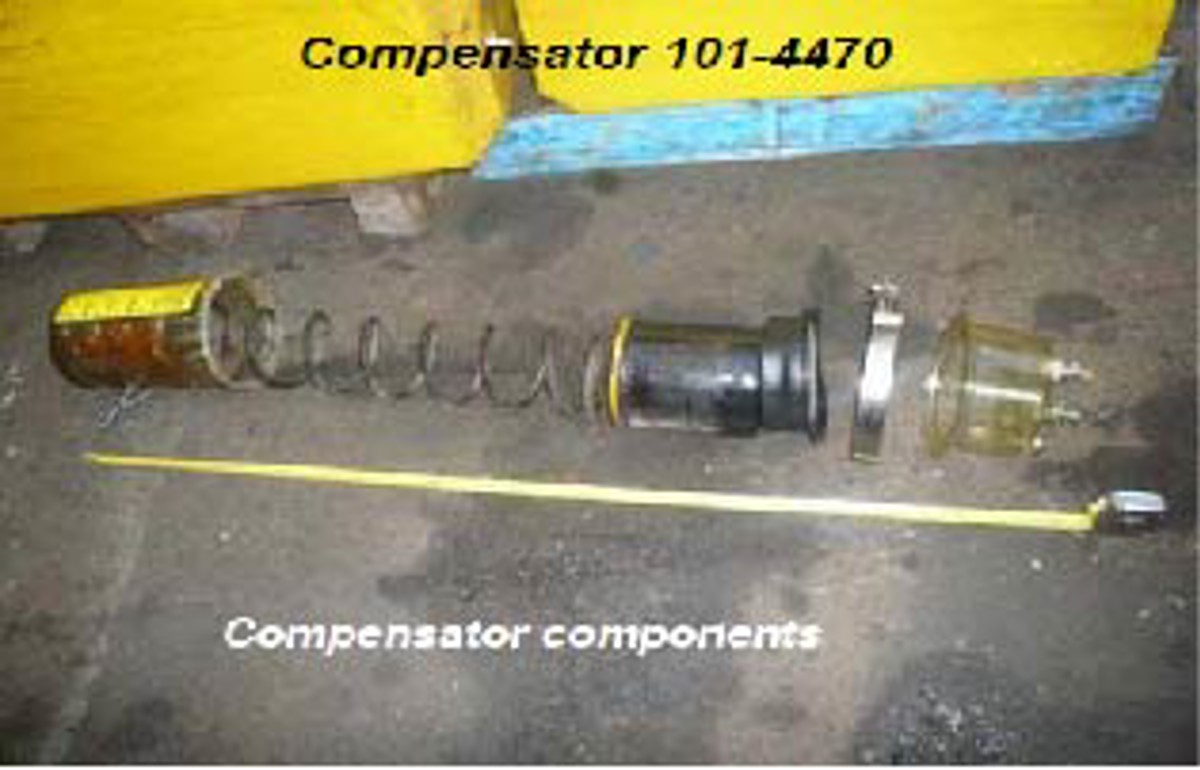
Schilling Titan 3 Manipulator: Compensator 101-4470
IMCA Safety Flashes summarise key safety matters and incidents, allowing lessons to be more easily learnt for the benefit of the entire offshore industry.
The effectiveness of the IMCA Safety Flash system depends on the industry sharing information and so avoiding repeat incidents. Incidents are classified according to IOGP's Life Saving Rules.
All information is anonymised or sanitised, as appropriate, and warnings for graphic content included where possible.
IMCA makes every effort to ensure both the accuracy and reliability of the information shared, but is not be liable for any guidance and/or recommendation and/or statement herein contained.
The information contained in this document does not fulfil or replace any individual's or Member's legal, regulatory or other duties or obligations in respect of their operations. Individuals and Members remain solely responsible for the safe, lawful and proper conduct of their operations.
Share your safety incidents with IMCA online. Sign-up to receive Safety Flashes straight to your email.