Near-miss: Winch wire parted and crane block dropped
- Safety Flash
- Published on 25 November 2011
- Generated on 15 October 2026
- IMCA SF 13/11
- 2 minute read
A Member has reported an incident in which a crane winch wire parted and caused a crane block to fall 13 m into a small boat.
The incident occurred during the recovery of a small boat used by divers. When the small boat had been lifted approximately 0.5 m above the water, the winch wire parted approximately 13 m from its working end (the end made fast to the head of the jib). As a result, the block fell down into the boat and missed a crewman by a metre or so. There were no injuries or damage. However, this near miss incident can be regarded as potentially catastrophic.
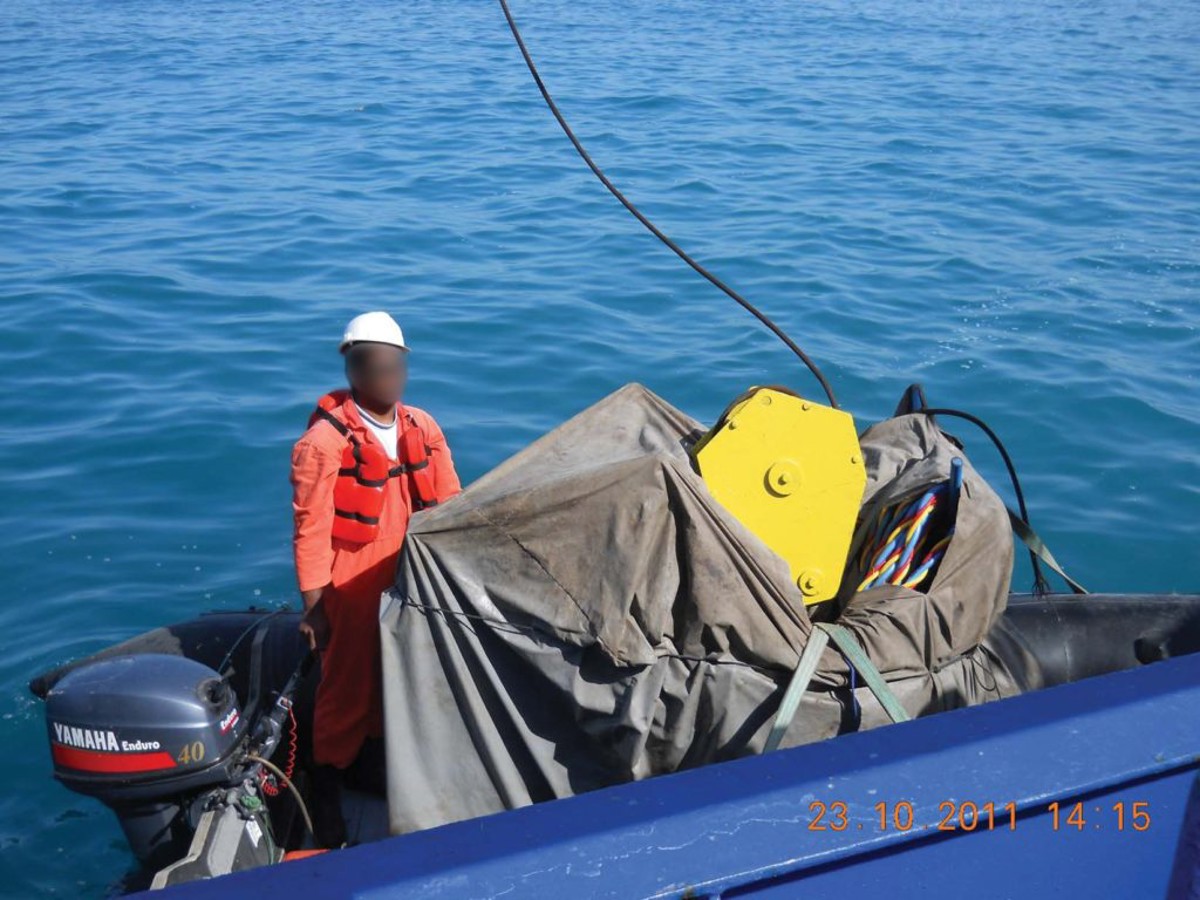
crane block landed in small boat
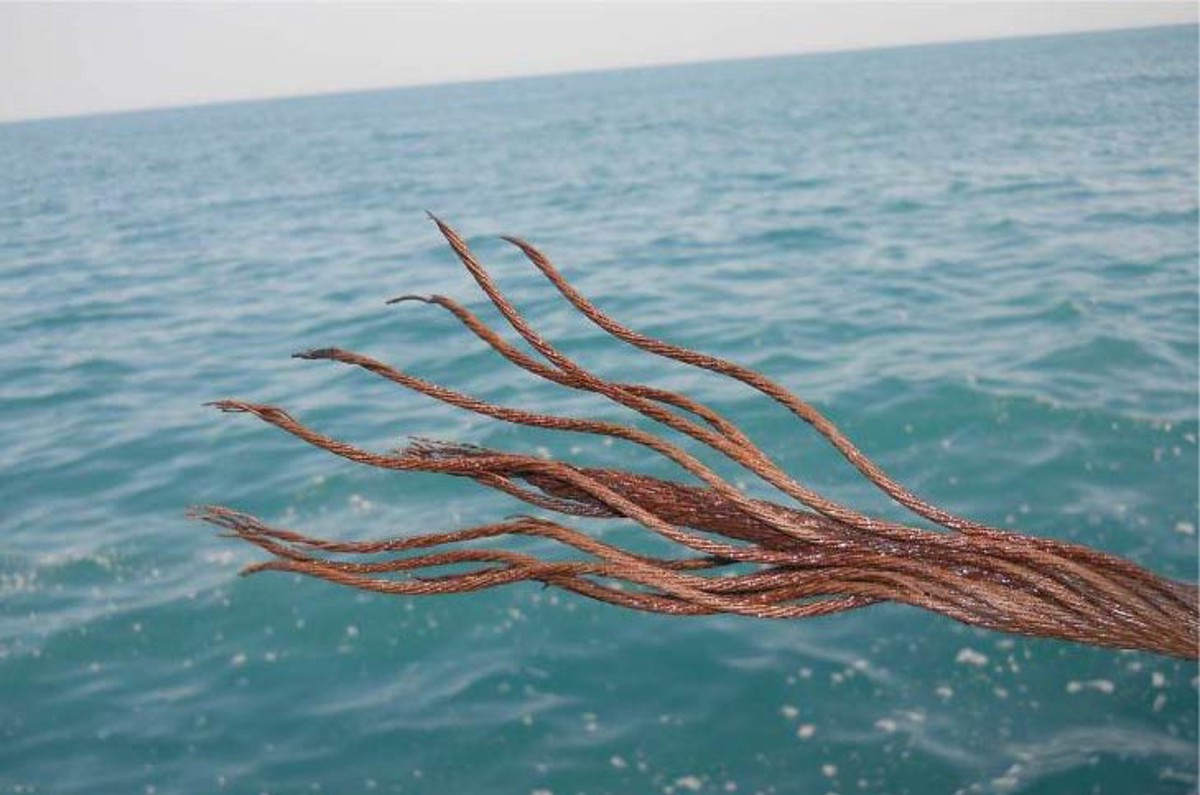
parted winch wire
What were the causes?
An investigation revealed that the winch or fall wire parted approximately 13 m from its (working) end due to lack of appropriate maintenance and the absence of a thorough inspection regime.
Lessons learnt
The following lessons were drawn from the incident:
- Personnel should not be in small boats during launch and recovery.
- There is no substitute for thorough and exhaustive maintenance and inspection regimes, especially those pertaining to lifting equipment.
- Insufficient attention and importance had been given to the condition of a wire which was regularly (partially) lowered into the sea during ‘routine’ operations.
Recommendation
The following recommendations were made:
- If wires are required to be lowered into the water, then those lengths of wire which have been submerged should be thoroughly washed with fresh water (‘freshed-off’) on a daily basis after completion of work.
- A review of the type of grease/protective coating applied to the wires should be undertaken in order to confirm its suitability for protection of wires which become submerged on ‘routine’ basis (reference to the crane manufacturer’s manual might be of value in this regard).
- Additional inspection regimes should be considered to allow for the fact that parts of the fall wire are exposed to complete submersion from time to time.
- Personnel should not be in the small boat at the time of lowering or recovery, unless it is absolutely essential and then only providing suitable and stringent control measures have been put in place.
IMCA Safety Flashes summarise key safety matters and incidents, allowing lessons to be more easily learnt for the benefit of the entire offshore industry.
The effectiveness of the IMCA Safety Flash system depends on the industry sharing information and so avoiding repeat incidents. Incidents are classified according to IOGP's Life Saving Rules.
All information is anonymised or sanitised, as appropriate, and warnings for graphic content included where possible.
IMCA makes every effort to ensure both the accuracy and reliability of the information shared, but is not be liable for any guidance and/or recommendation and/or statement herein contained.
The information contained in this document does not fulfil or replace any individual's or Member's legal, regulatory or other duties or obligations in respect of their operations. Individuals and Members remain solely responsible for the safe, lawful and proper conduct of their operations.
Share your safety incidents with IMCA online. Sign-up to receive Safety Flashes straight to your email.