Equipment starts unexpectedly
- Safety Flash
- Published on 3 May 2023
- Generated on 26 October 2026
- IMCA SF 11/23
- 2 minute read
A high-voltage AC unit was locked out / tagged out for routine maintenance by three mechanics, but started up unexpectedly.
What happened?
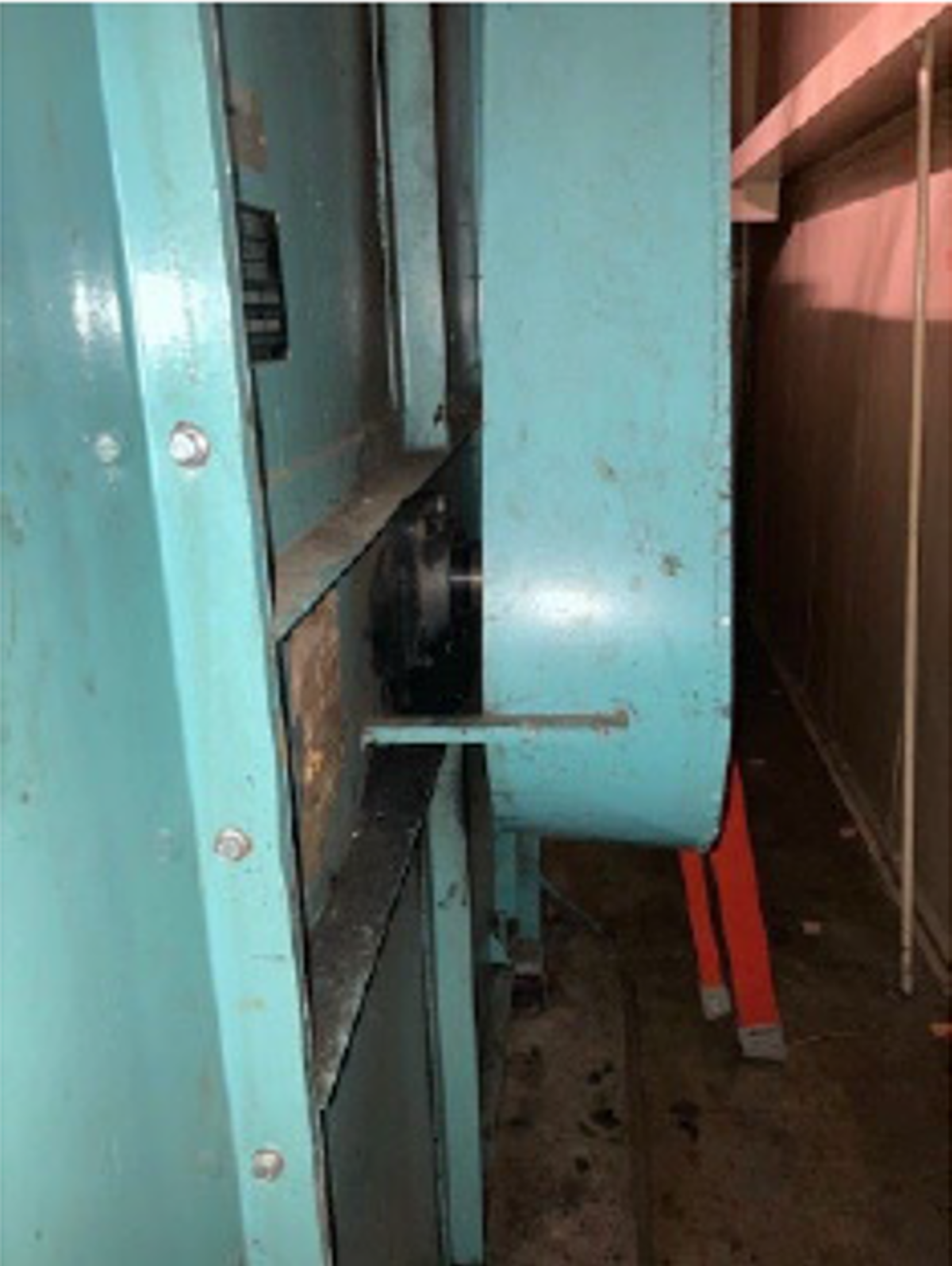
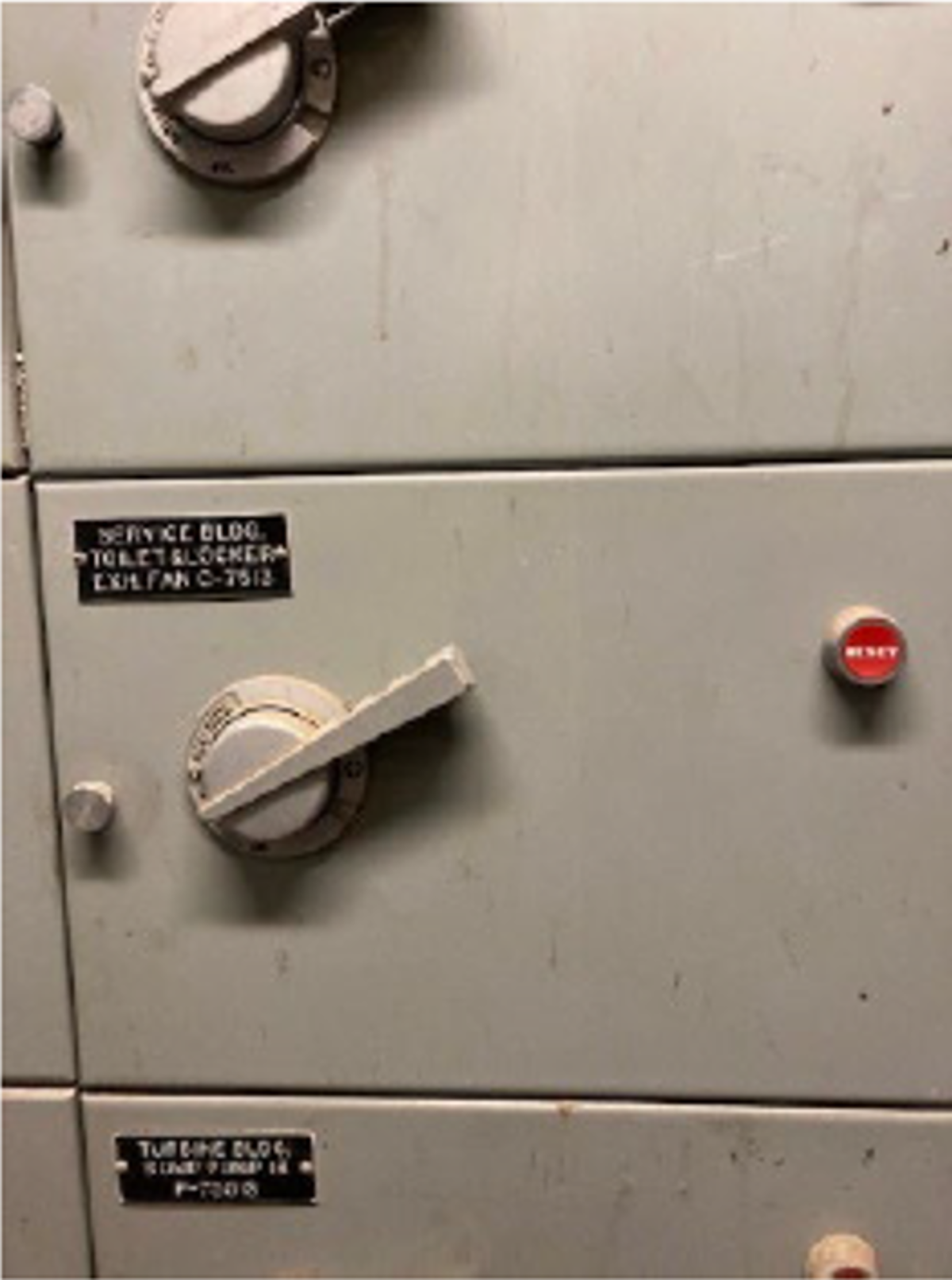
Three mechanics obtained a Lock-out/Tag-out (LOTO) for a high-voltage AC unit, and were performing routine maintenance on the unit.
As one of them went to lubricate the bearings, the machine started unexpectedly.
Work was stopped and a review was conducted.
It was discovered that a linkage was broken in the circuit breaker handle and the breaker did not actually shut off when arranging the LOTO.
The plant electricians repaired the linkage, the LOTO was rehung, and the work was completed.
What went right?
No one was in the line of fire when the machine restarted and there were no injuries.
What went wrong?
Equipment failure - the linkage in the breaker handle was broken.
Lessons learned
- Carefully check that equipment is de-energised before working on it – prove that it is “dead”.
- Ensure a full and thorough understanding of isolation and ensure the proper sources of energy are isolated when equipment is upgraded or modified.
IOGP Life-saving rules applicable
Energy Isolation: The mechanics did not:
-
Identify all energy sources.
-
Confirm that hazardous energy sources were isolated, locked, and tagged.
-
Check that there was zero energy; did not test for residual or stored energy.
Work Authorisation: The mechanics did not:
-
Confirm that hazards were controlled or that it was safe to start.
Related safety flashes
-
IMCA SF 05/23
16 February 2023
-
-
IMCA SF 12/20
31 March 2020
-
-
IMCA SF 18/18
23 August 2018
-

IMCA Safety Flashes summarise key safety matters and incidents, allowing lessons to be more easily learnt for the benefit of the entire offshore industry.
The effectiveness of the IMCA Safety Flash system depends on the industry sharing information and so avoiding repeat incidents. Incidents are classified according to IOGP's Life Saving Rules.
All information is anonymised or sanitised, as appropriate, and warnings for graphic content included where possible.
IMCA makes every effort to ensure both the accuracy and reliability of the information shared, but is not be liable for any guidance and/or recommendation and/or statement herein contained.
The information contained in this document does not fulfil or replace any individual's or Member's legal, regulatory or other duties or obligations in respect of their operations. Individuals and Members remain solely responsible for the safe, lawful and proper conduct of their operations.
Share your safety incidents with IMCA online. Sign-up to receive Safety Flashes straight to your email.