Mooring: Increase in first aid cases involving over-exertion
- Safety Flash
- Published on 16 April 2021
- Generated on 27 October 2026
- IMCA SF 11/21
- 1 minute read
A member has noted that in recent months, there have been several accidents related to over-exertion.
What happened?
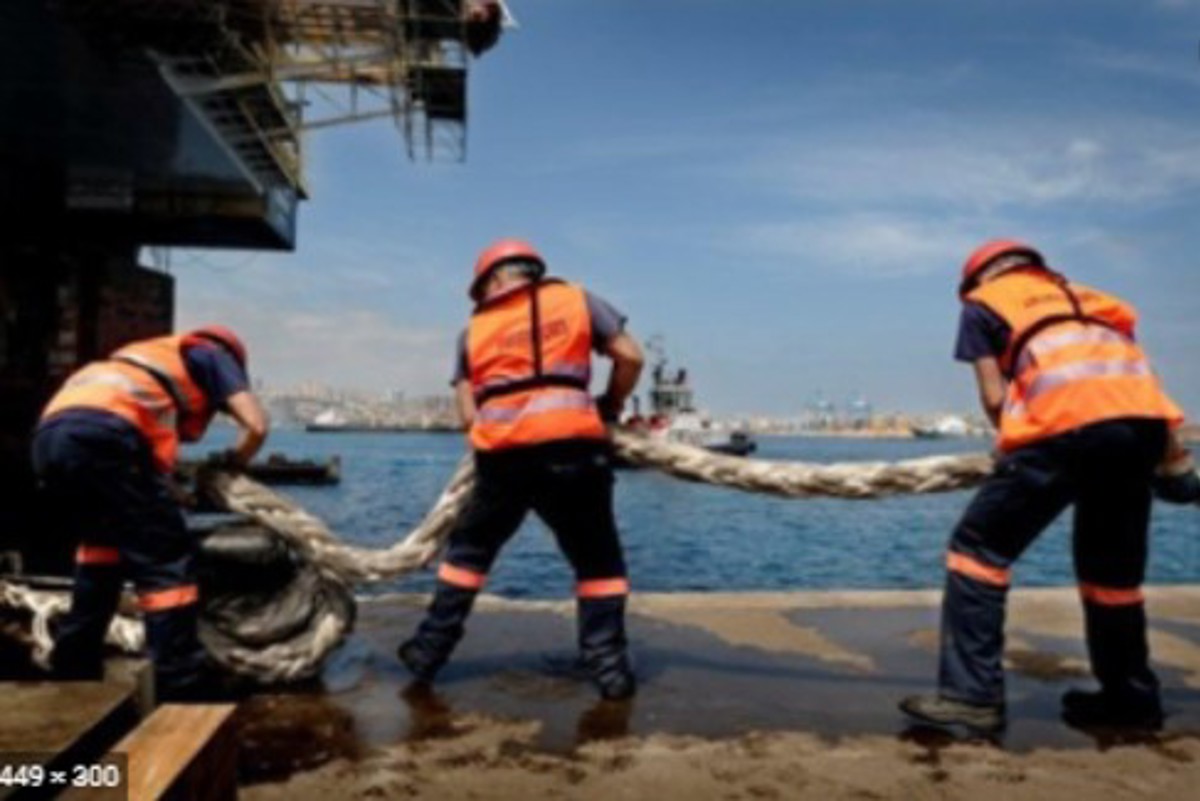
Most of these incidents have involved mooring operations, a job that requires physical effort due to the handling of heavy lines.
What were the causes?
- Excess load/over-exertion (perhaps due to not knowing the weight of the load)
- Improper load handling
- Incorrect work position (bad posture)
- Difficult posture owing to location, hard-to-reach places etc.
Actions
- Warm up!! Stretch before doing work that requires considerable muscle exertion.
- Think before moving in a way that may be deemed unsafe.
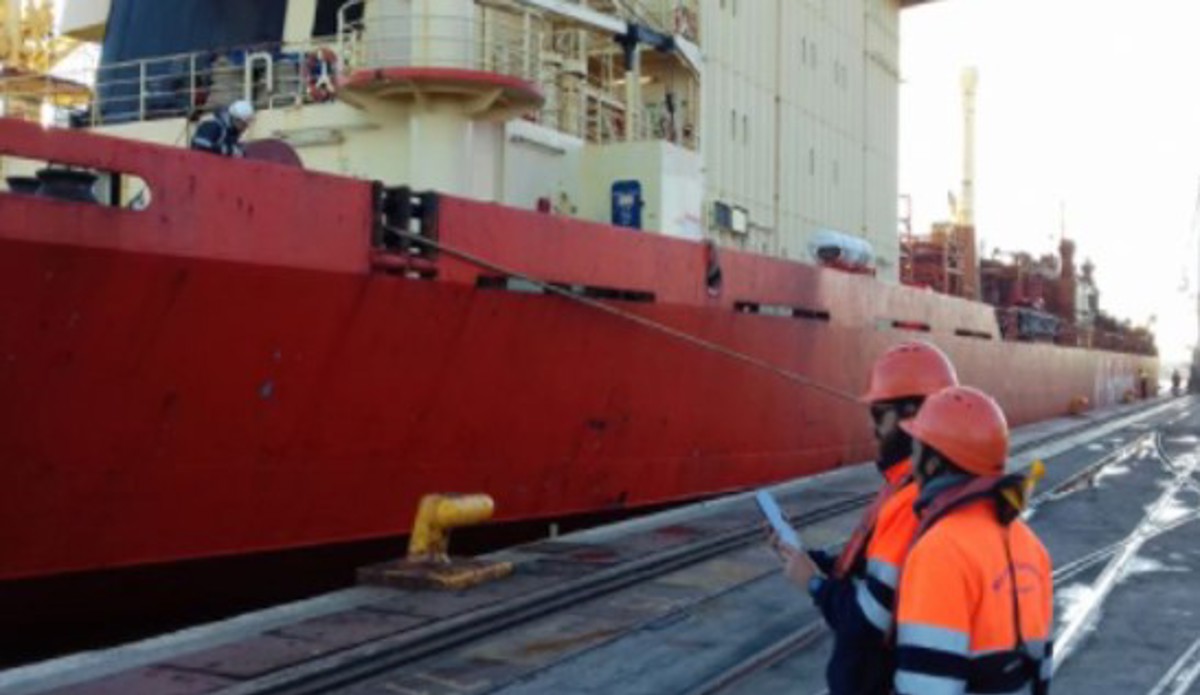
- Inspect the dock area where the work is to be done. Check for obstacles or elements that may hinder the manoeuvre.
- Check that mooring lines are clear and are not going to get caught.
- Anticipate manoeuvres by checking that both the dock and the vessel are in good condition, and notify the required parties if necessary, to avoid unforeseen events.
Members may wish to refer to:
- IMCA HSS029 Mooring practice safety guidance for offshore vessels when alongside in ports and harbours
- IMCA Safety Promotional Video: HSS038 Mooring incidents
Related Safety Flashes
-
IMCA SF 17/17
13 July 2017
IMCA Safety Flashes summarise key safety matters and incidents, allowing lessons to be more easily learnt for the benefit of the entire offshore industry.
The effectiveness of the IMCA Safety Flash system depends on the industry sharing information and so avoiding repeat incidents. Incidents are classified according to IOGP's Life Saving Rules.
All information is anonymised or sanitised, as appropriate, and warnings for graphic content included where possible.
IMCA makes every effort to ensure both the accuracy and reliability of the information shared, but is not be liable for any guidance and/or recommendation and/or statement herein contained.
The information contained in this document does not fulfil or replace any individual's or Member's legal, regulatory or other duties or obligations in respect of their operations. Individuals and Members remain solely responsible for the safe, lawful and proper conduct of their operations.
Share your safety incidents with IMCA online. Sign-up to receive Safety Flashes straight to your email.