Malaria fatality
- Safety Flash
- Published on 3 March 2016
- Generated on 27 October 2026
- IMCA SF 06/16
- 1 minute read
An incidence of malaria fatality has been brought to IMCA’s attention. The incident occurred offshore Ghana.
What happened?
A non-immune foreign national contractor presented himself to the offshore medic with flu-like symptoms. He tested negative for malaria twice via rapid diagnostic testing. He was sent ashore for further evaluation and subsequently died as a result of complications arising from malaria.
Why did it happen?
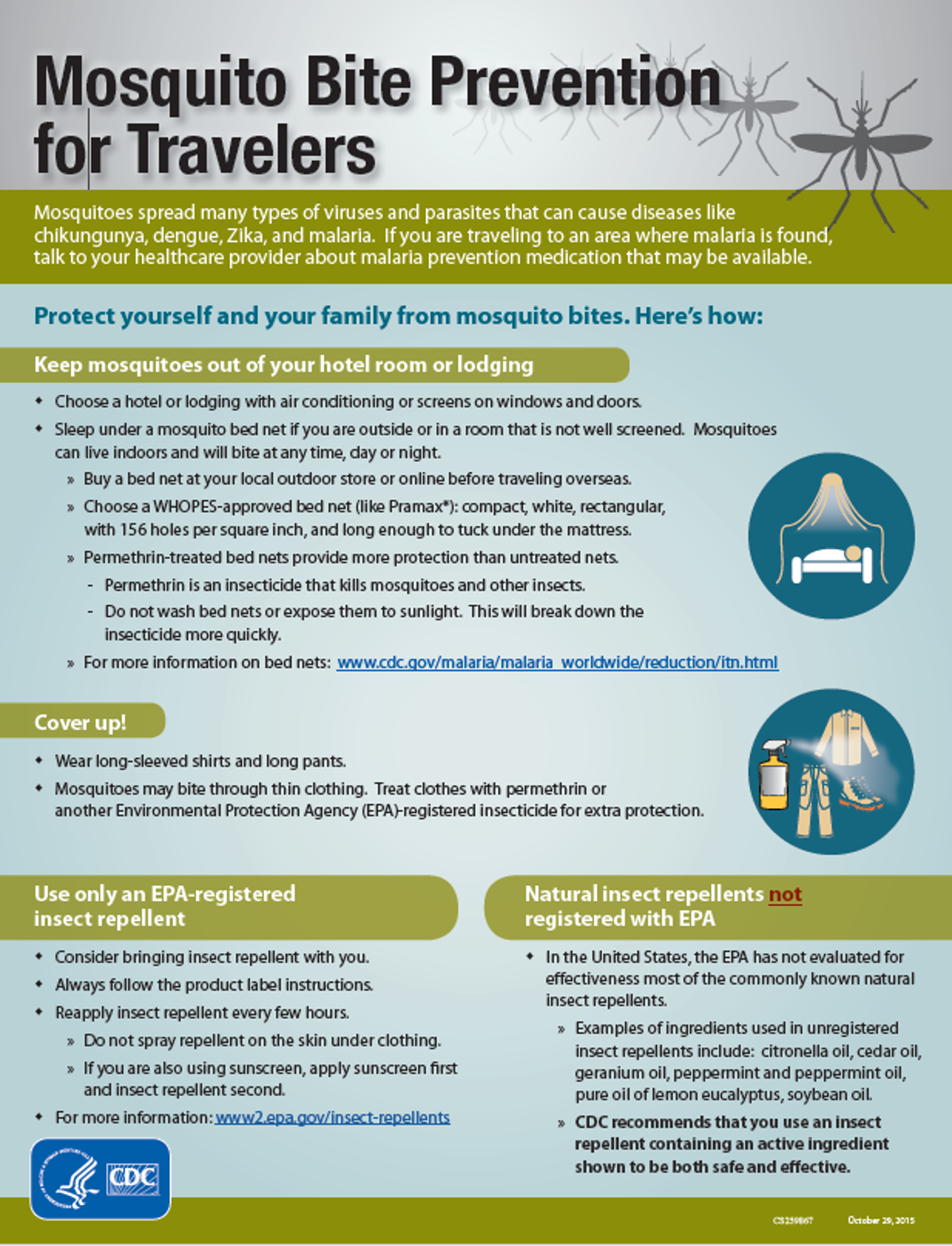
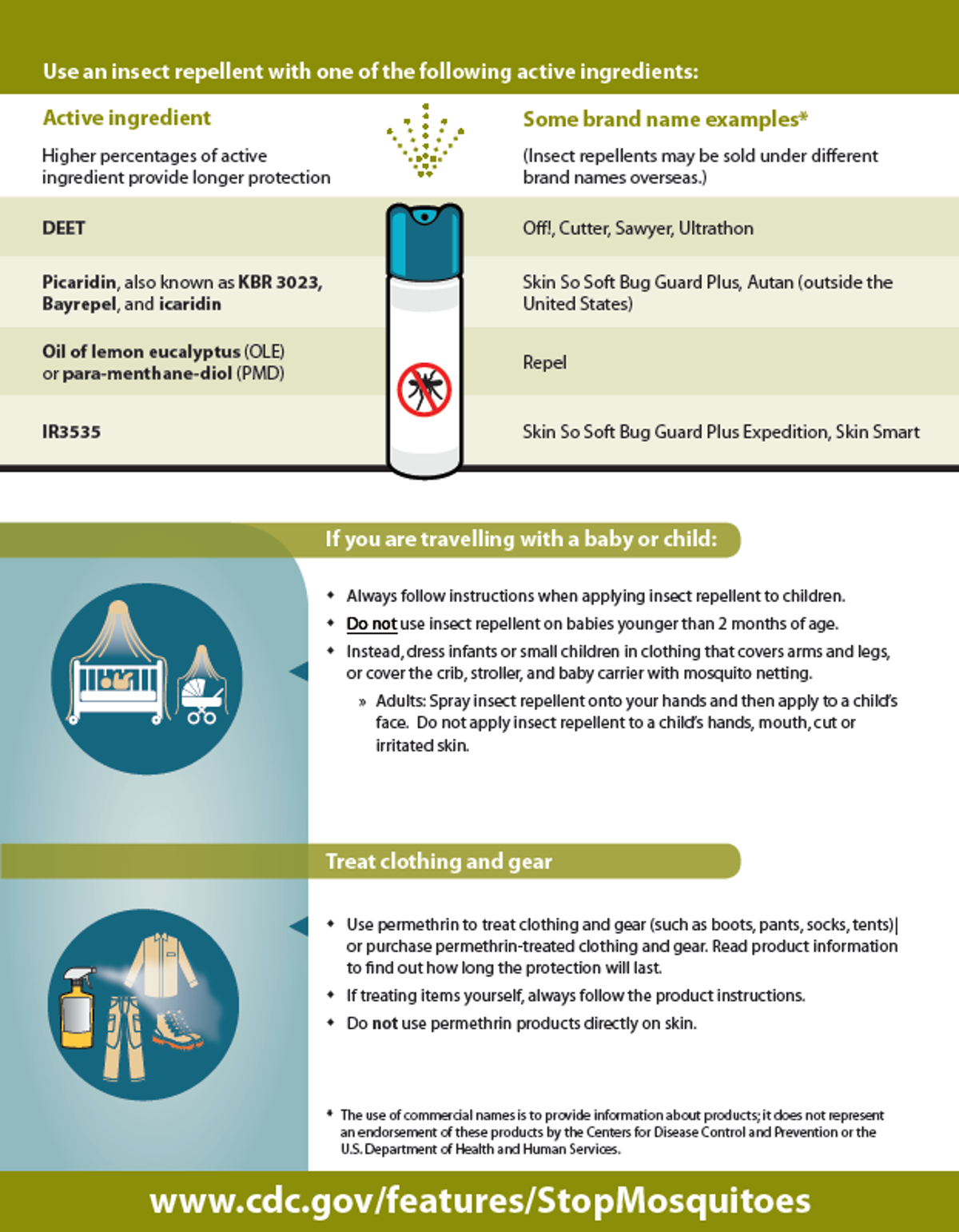
- Mosquito bite prevention measures were not taken (e.g. repellent, long-sleeved clothing)
- Malarial prevention drugs (prophylaxis) were not taken (e.g. Malarone, Doxycycline)
- Malaria was not diagnosed early and as a result the deceased did not receive the necessary medical treatment in a timely way. The following points were reiterated:
- The importance of refresher training in malaria management for all relevant personnel
- The importance of seeking early treatment
- The correct and timely use of rapid reaction diagnostic kits
- The following World Health Organization (WHO) ‘ABCD’ approach to Malaria management will be helpful:
- A is for Awareness
- B is for Bite prevention
- The importance of refresher training in malaria management for all relevant personnel
IMCA Safety Flashes summarise key safety matters and incidents, allowing lessons to be more easily learnt for the benefit of the entire offshore industry.
The effectiveness of the IMCA Safety Flash system depends on the industry sharing information and so avoiding repeat incidents. Incidents are classified according to IOGP's Life Saving Rules.
All information is anonymised or sanitised, as appropriate, and warnings for graphic content included where possible.
IMCA makes every effort to ensure both the accuracy and reliability of the information shared, but is not be liable for any guidance and/or recommendation and/or statement herein contained.
The information contained in this document does not fulfil or replace any individual's or Member's legal, regulatory or other duties or obligations in respect of their operations. Individuals and Members remain solely responsible for the safe, lawful and proper conduct of their operations.
Share your safety incidents with IMCA online. Sign-up to receive Safety Flashes straight to your email.