Vessel near miss with wellhead
- Safety Flash
- Published on 19 January 2021
- Generated on 16 October 2026
- IMCA SF 03/21
- 2 minute read
Near miss: A vessel came within 10 metres of a wellhead while the Master was preoccupied with change-over and did not expect to drift so close to the wellhead
What happened?
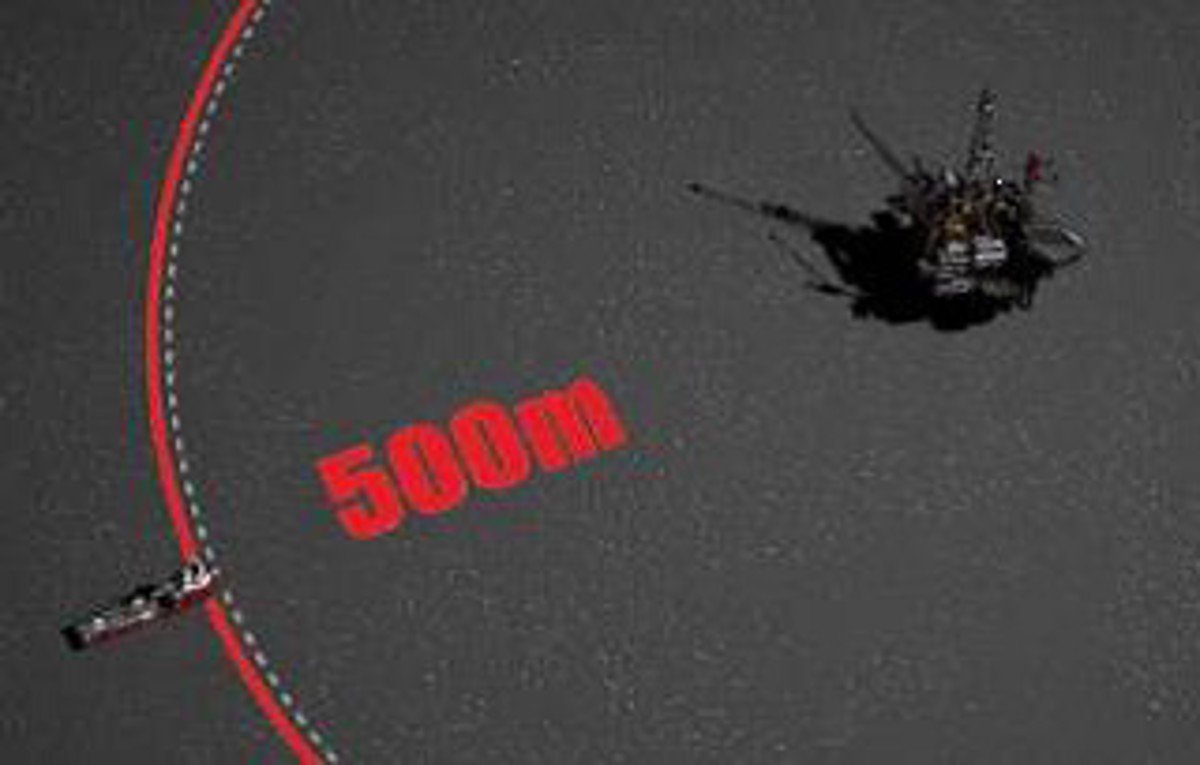
A vessel had a near miss with a wellhead within the 500m zone. The vessel Master was preoccupied and did not notice that the vessel was drifting close to the wellhead. The vessel missed the wellhead by less than 10 metres.
What was the cause?
Subject to further investigation:
- There was only one watchkeeper – the Master – on the bridge at the time. Company procedures for having two watchkeepers on the bridge at all times, were not followed.
- The client’s voyage procedures were not followed.
- The Master was preoccupied with change-over procedure which took attention away from the vessel’s movement.
- The Master assumed that the vessel was going more slowly than it actually was, and had no expectation that the vessel would drift so close to the wellhead.
Actions
Vessel Masters have overall authority for the health and safety of all personnel onboard the vessel, the safety of the vessel itself and it’s immediate environment.
- Ensure that watchkeeping procedures for bridge operations are strictly followed.
- Ensure that client voyage procedures are strictly followed.
- Ensure that there are sufficient trained, competent and rested people available at all times for watchkeeping.
- Follow COLREGs at all times.
- If a watch officer needs to leave post, ensure a suitable replacement is found before doing so.
Related Safety Flashes
-
IMCA SF 31/17
15 December 2017
-
-
IMCA SF 07/17
28 March 2017
-
-
IMCA SF 19/15
23 November 2015
IMCA Safety Flashes summarise key safety matters and incidents, allowing lessons to be more easily learnt for the benefit of the entire offshore industry.
The effectiveness of the IMCA Safety Flash system depends on the industry sharing information and so avoiding repeat incidents. Incidents are classified according to IOGP's Life Saving Rules.
All information is anonymised or sanitised, as appropriate, and warnings for graphic content included where possible.
IMCA makes every effort to ensure both the accuracy and reliability of the information shared, but is not be liable for any guidance and/or recommendation and/or statement herein contained.
The information contained in this document does not fulfil or replace any individual's or Member's legal, regulatory or other duties or obligations in respect of their operations. Individuals and Members remain solely responsible for the safe, lawful and proper conduct of their operations.
Share your safety incidents with IMCA online. Sign-up to receive Safety Flashes straight to your email.